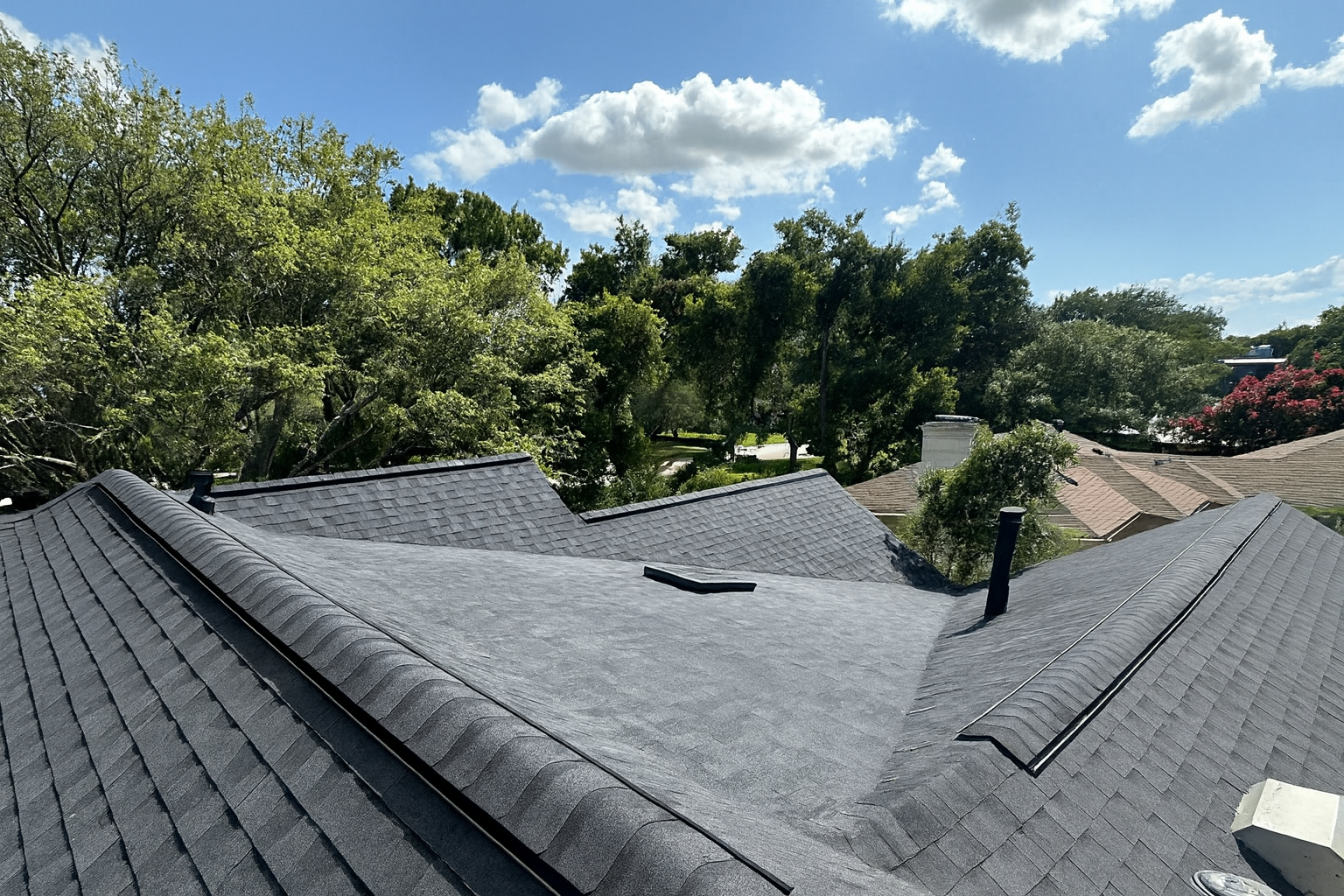
Shingle Roofing in Dallas: Professional Installation for Texas Homes
GAF certified contractor offering Class 4 impact-resistant, cool roof, and algae-resistant shingle options
Your roof faces serious challenges in Dallas. We're talking about brutal summer heat that doesn't let up for months, hailstorms that seem to come out of nowhere, and wind that can rip shingles right off if they're not installed correctly.
As a GAF certified contractor, we've seen what works and what doesn't when it comes to protecting Dallas homes. Class 4 impact-resistant shingles hold up against hail damage. Cool roof technology actually makes a difference on your electric bill - not just marketing hype.[1]
Call us for a free inspection. Our team is insured and experienced with Texas weather patterns. Dealing with storm damage? We'll walk you through the insurance paperwork because that process can get complicated fast.
What types of shingles are best for Dallas weather?
You can't just pick any shingle and expect it to survive here. Dallas weather is aggressive - extreme heat, humidity that breeds algae, and hail that comes through every spring like clockwork.
Here are the three types that actually hold up:
Class 4 impact-resistant shingles work when hail hits. And it will hit. These shingles pass a test where they drop a 2-inch steel ball from 20 feet up.[2] Sounds brutal because it is - that's the point. Regular shingles crack under that kind of impact. Class 4 shingles don't.
Insurance companies know these shingles prevent claims, so they'll cut your premium by 15-35%.[2] The Texas Department of Insurance requires UL 2218 certification, which means the product has been independently tested and passed.
Cool roof shingles address the heat problem. Dark shingles sitting in direct Texas sun all day get insanely hot - we're talking surface temperatures around 170°F. Cool roof technology uses reflective granules that keep the surface 50 degrees cooler.[3]
The U.S. Department of Energy studied this extensively and found homeowners in climates like ours see cooling costs drop 10-15%.[3] White roofs reflect the most sunlight (60-90%), but even cool-colored dark shingles manage to reflect 30-60% using special pigments that bounce back infrared light you can't even see.
Algae-resistant shingles stop those ugly black streaks before they start. You've probably noticed them on roofs around town - dark stains running down from the peak. That's not dirt. It's actually algae called Gloeocapsa magma feeding on limestone in standard shingles.[1] Copper-coated granules prevent the algae from growing in the first place. Way easier than paying someone to pressure wash your roof every couple years.
Architectural Shingles Outperform 3-Tab Options for Dallas Weather
Take a drive through Highland Park or Lakewood and pay attention to the roofs. Some look flat and basic - that's 3-tab shingles. Others have depth and shadow lines that catch your eye - those are architectural shingles.
The price difference makes people think twice, which makes sense. But here's what you're actually comparing:
| Feature | 3-Tab Shingles | Architectural Shingles |
|---|---|---|
| How long they last | 15-20 years typically | 30+ years |
| Wind resistance | Handles up to 60 mph | Handles up to 130 mph[1] |
| How they're made | One thin layer | Multiple thick layers laminated together |
| What they look like | Flat, repetitive pattern | Dimensional, textured appearance |
| Impact on resale | Meets basic standards | Premium look buyers notice |
Why proper installation matters more than most people realize:
Every spring after big storms, we get calls about lifted shingles. Usually it's the same issue - the previous installer used four nails per shingle when they should've used six. That might sound like splitting hairs, but in Dallas wind conditions, those extra two nails make all the difference.
The National Roofing Contractors Association sets installation standards for high-wind areas.[1] Six nails per shingle. Takes longer. Costs a bit more in labor. But your shingles stay put when 70 mph gusts come through.
Temperature swings are the other killer. Dallas mornings might start around 70°F, then by mid-afternoon your roof is baking at 170°F or higher. That constant expanding and contracting? Architectural shingles handle it better because of the thicker, multi-layer construction. The granules stay embedded instead of washing off into your gutters after a few years.
Yeah, you'll spend more upfront. But you're buying a roof once instead of replacing a cheaper one in 15 years and doing it all over again.
See the Difference: 3-Tab vs Architectural Shingles
The texture and depth differences between 3-tab and architectural shingles are immediately visible up close. Architectural shingles create dramatic shadow lines and dimensional appearance that 3-tab shingles simply can't match.
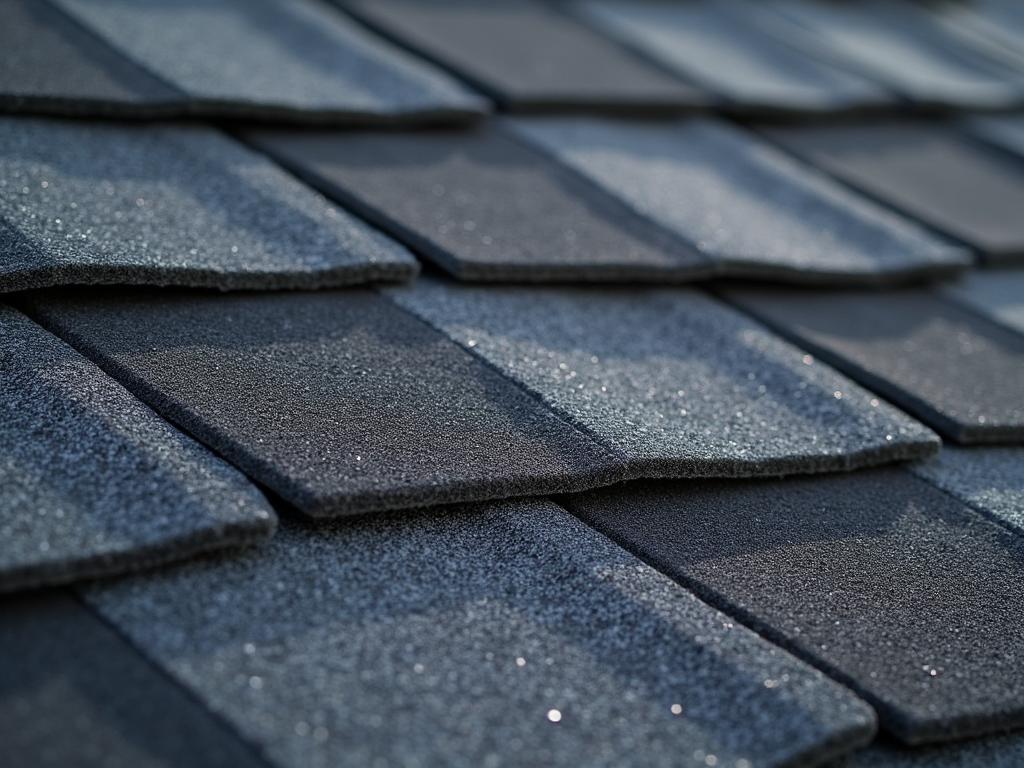
3-Tab Shingles
- Flat, uniform surface with minimal depth
- Repetitive pattern with three distinct tabs
- Single layer construction
- More economical option
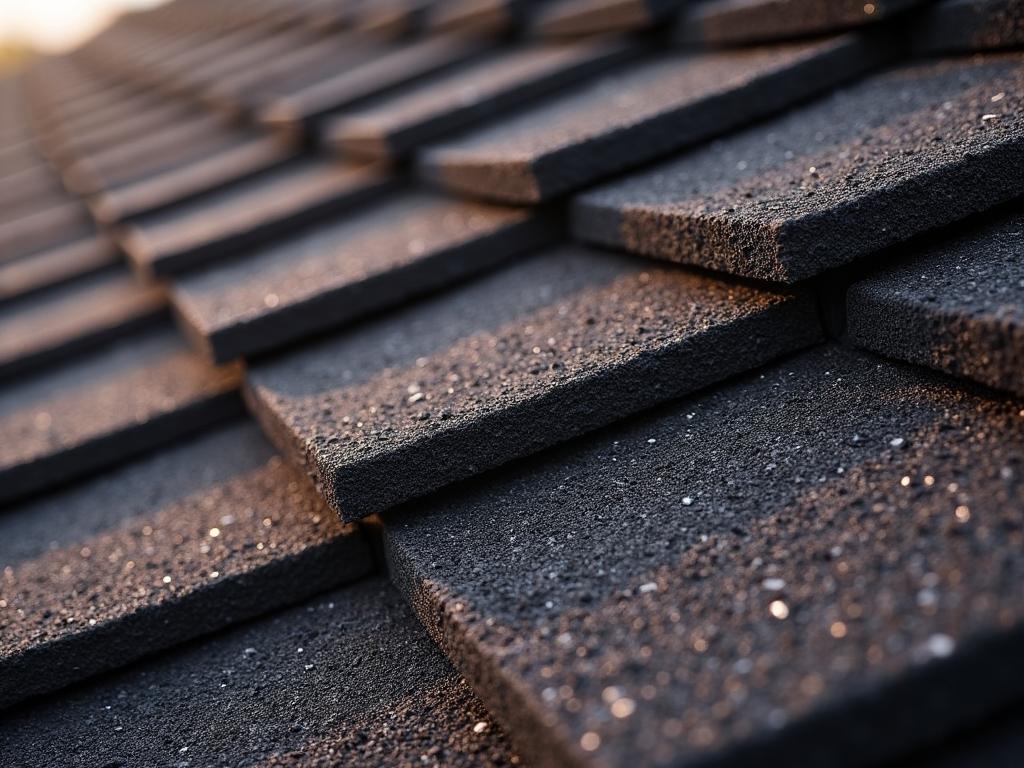
Architectural Shingles
- Deep texture with prominent shadow lines
- Varied pattern creating dimensional appearance
- Multi-layered laminated construction
- Premium look that enhances curb appeal
The thicker construction and layered design of architectural shingles aren't just about looks. They provide better wind resistance, longer lifespan, and superior protection against Dallas weather extremes.
Get Expert Advice on Shingle SelectionImpact-Resistant Shingles Reduce Hail Damage and Lower Insurance Costs
Dallas gets hammered by hail every year - sometimes multiple times in a single season. Standard shingles crack when golf ball-sized hail hits them at terminal velocity. Then water gets into your attic and you've got bigger problems.
The testing that matters:
UL 2218 is the standard for impact resistance. They drop a 2-inch steel ball from 20 feet onto the shingle.[2] Pass that test without cracking and you get Class 4 certification. Regular asphalt shingles fail because they get brittle in heat - when hail strikes, they just crack.
Class 4 shingles use something called SBS modified asphalt. That's styrene-butadiene-styrene for anyone who cares about the chemistry. Point is, this polymer additive keeps the material flexible enough to absorb impacts instead of shattering. Think of it like the difference between dropping a ceramic plate versus a plastic one.
Industry standards evolving:
The roofing world has been pushing FORTIFIED standards - basically stronger installation methods with waterproof barriers that actually prevent water intrusion during storms.[5] As hurricanes, hail events, and severe weather keep getting worse, more regions are adopting these standards. Dallas isn't hurricane territory, but the insurance industry is still paying attention to homes built to higher standards.
| Type of Insurance Company | Typical Premium Discount |
|---|---|
| Major national carriers | Usually 15-35%[2] |
| Regional Texas companies | Typically 10-25% |
| TWIA for coastal properties | Can go up to 35% |
The paperwork nobody tells you about:
After we install your Class 4 shingles, there's a form called TDI Form PC068 that has to be filed.[2] This proves to your insurance company that you actually installed qualifying materials. Skip this step and you've paid for impact-resistant shingles but you're not getting the insurance discount. Frustrating, but that's how the system works.
The UL 2218 label on your shingle packaging shows the manufacturer name, when they made it, the brand, and the Class 4 rating. Your insurance company wants documentation, so we make sure you have photos and paperwork before we leave.
Cool Roof Shingles Cut Energy Bills in Dallas Summer Heat
July and August in Dallas. Your AC runs nonstop. The electric bill shows up and you wonder if there's been some kind of mistake. But nope - that's just what happens when your dark roof is absorbing heat all day long.
Surface temperature on black shingles during a Dallas summer day? Around 170°F. That's not a typo. Hot enough to fry an egg, which people have actually done as demonstrations.
Why this technology actually works:
Traditional dark asphalt shingles reflect maybe 3% of sunlight.[3] Everything else gets absorbed and turns into heat. Cool roof shingles flip that equation - they're reflecting 30-60% depending on the color. White roofs do even better at 60-90%.
When your roof surface stays 50 degrees cooler, way less heat transfers down into your attic. Lower attic temperature means your air conditioning system isn't fighting as hard to keep your house comfortable. It's pretty straightforward physics.
| What's On Your Roof | How Hot It Gets | Impact On Your Bill |
|---|---|---|
| Standard dark shingles | 170°F or more | This is your baseline |
| Cool-colored dark shingles | Around 120°F | Cuts costs 10-15%[3] |
| White or light-colored shingles | Around 115°F | Cuts costs 10-15%[3] |
The Department of Energy has studied this extensively for southern climates.[3] If you're in Oak Cliff or East Dallas paying $300+ for electricity during summer months, dropping 10-15% means you're saving $30-45 every month from June through September. Add that up over the 25-30 year life of your roof and it's real money.
Dark colors that don't act like dark colors:
Not everyone wants a white roof. I get that - aesthetics matter and not every house looks good with white shingles. That's where modern pigment technology comes in.
Special pigments reflect invisible near-infrared light.[3] Your roof looks dark brown or charcoal to the human eye, but it's bouncing back heat like a lighter color would. Pretty impressive engineering when you think about it.
GAF makes cool roof shingles that are certified by the Cool Roof Rating Council.[4] These products also help with something called the urban heat island effect - when you pack buildings and concrete close together, the whole area gets 5-10 degrees hotter than surrounding regions. Cool roofs help moderate that in dense Dallas neighborhoods.
One more thing worth mentioning - if your attic insulation is lacking (and plenty of older Dallas homes have this issue), cool roof shingles make an even bigger difference. Poorly ventilated attics can hit 140°F or higher. Drop your roof temp by 50 degrees and you're looking at a 20-30 degree reduction inside the attic too.
Proper Ventilation Extends Shingle Roof Lifespan in Hot Climates
Sometimes roofs fail way too early. Like 10 years old when they should last 25. Usually it's not the shingle quality - it's what's happening underneath. Trapped attic heat is literally cooking your roof from the inside.
What trapped heat does to roofing materials:
Open a poorly ventilated attic in Dallas during July. It's like opening an oven door. Temperatures up there can hit 140-160°F, sometimes even higher. All that heat? It's baking the underside of your shingles continuously, day after day.
The asphalt breaks down faster than it should. Granules start falling off early. Cracks show up when the roof is still relatively young. Then you're looking at replacement costs when the roof should have years of life left.
The National Roofing Contractors Association has clear recommendations about this - balanced ventilation with equal intake at the eaves and exhaust at the ridge.[1] This creates steady airflow that pulls hot air out before it damages anything.
| Part | Where It Goes | What It Does |
|---|---|---|
| Soffit vents | Along your eaves and overhangs | Pulls cool air in from outside |
| Ridge vents | Running the length of your roof peak | Lets hot air escape at the highest point |
| The space between them | Your attic | Allows air to move continuously |
Temperature cycles that destroy shingles prematurely:
Dallas mornings start relatively cool. By afternoon it's blazing hot. Your roof expands when it heats up, contracts when it cools down. Do this cycle thousands of times without proper ventilation and shingles start flexing and cracking way before their expected lifespan.
Add humidity to the mix and you're asking for trouble:
- Mold can grow on the roof decking
- Plywood sheathing warps and buckles
- Nails pop up and create potential leak points
- Granules detach from constant expansion and contraction
How ventilation should be installed:
Ridge vents running the full length of your peak paired with continuous soffit vents along the eaves create natural airflow. Hot air rises on its own, so this system works without needing powered ventilators that can break down or fail.
Sometimes attics have trapped humidity issues where you can actually see mold growing on the underside of the roof decking. That's a ventilation problem, and the fix usually runs $800-1,200 depending on your house size.
Compare that to a full roof replacement at $15,000-20,000. Proper ventilation adds 5-10 years to your shingle lifespan. The math isn't complicated.
Algae-Resistant Shingles Prevent Streaking in Humid Dallas Neighborhoods
Those dark streaks running down roofs look like dirt or pollution. Most people assume that's what they are. But it's actually algae colonies growing on the shingles.
The algae that thrives here:
Gloeocapsa magma - that's the scientific name for the algae you see on probably half the roofs in your neighborhood. It feeds on limestone filler that's in standard asphalt shingles.
Spring and fall in Dallas create perfect conditions for this stuff. Humidity stays high, temperatures hang around 60-80°F, and the algae spreads through spores in the air. One house gets it, then pretty soon you're seeing black streaks on north-facing slopes up and down the whole street.
How copper stops the problem before it starts:
Algae-resistant shingles have copper-coated granules mixed into the asphalt.[1] When rain hits the roof, tiny amounts of copper wash down the surface. Algae can't survive around copper, so the streaking never gets a chance to develop in the first place.
| Regular Shingles | Algae-Resistant Shingles |
|---|---|
| Black streaks show up within 5-7 years | Stays clean for 10+ years |
| Kills your curb appeal fast | Keeps your home looking maintained |
| Need chemical cleaning regularly | Skip the harsh treatments entirely |
| Warranty usually excludes aesthetic damage | Protection coverage stays intact |
What neighborhood associations require:
Preston Hollow and East Dallas communities sometimes write algae-resistant requirements right into their HOA rules. These neighborhoods want consistent appearance standards, and algae streaks on multiple roofs looks bad for property values.
Here's something most homeowners don't realize until it's too late - chemical roof cleaning actually damages your shingles. High-pressure washing strips off the protective granules. Harsh cleaners break down the asphalt that seals everything together. Every time you clean those streaks, you're shortening your roof's useful life.
Algae-resistant shingles cost about the same as regular ones these days. Most manufacturers include copper granules in their mid-grade and premium lines now as standard. You're not paying extra for this protection anymore.
Properties that get hit worst:
Got big trees keeping your roof shaded? You'll see algae show up first. North-facing slopes that never get direct sun stay damp longer after rain. If either of these describes your property, algae-resistant shingles aren't really optional - they're necessary if you want to avoid dealing with this problem constantly.
Most manufacturer warranties specifically exclude what they call "aesthetic issues" like algae staining. Translation: you're on your own financially for a problem that copper granules would've prevented from day one.
Recent Dallas Apartment Complex Project
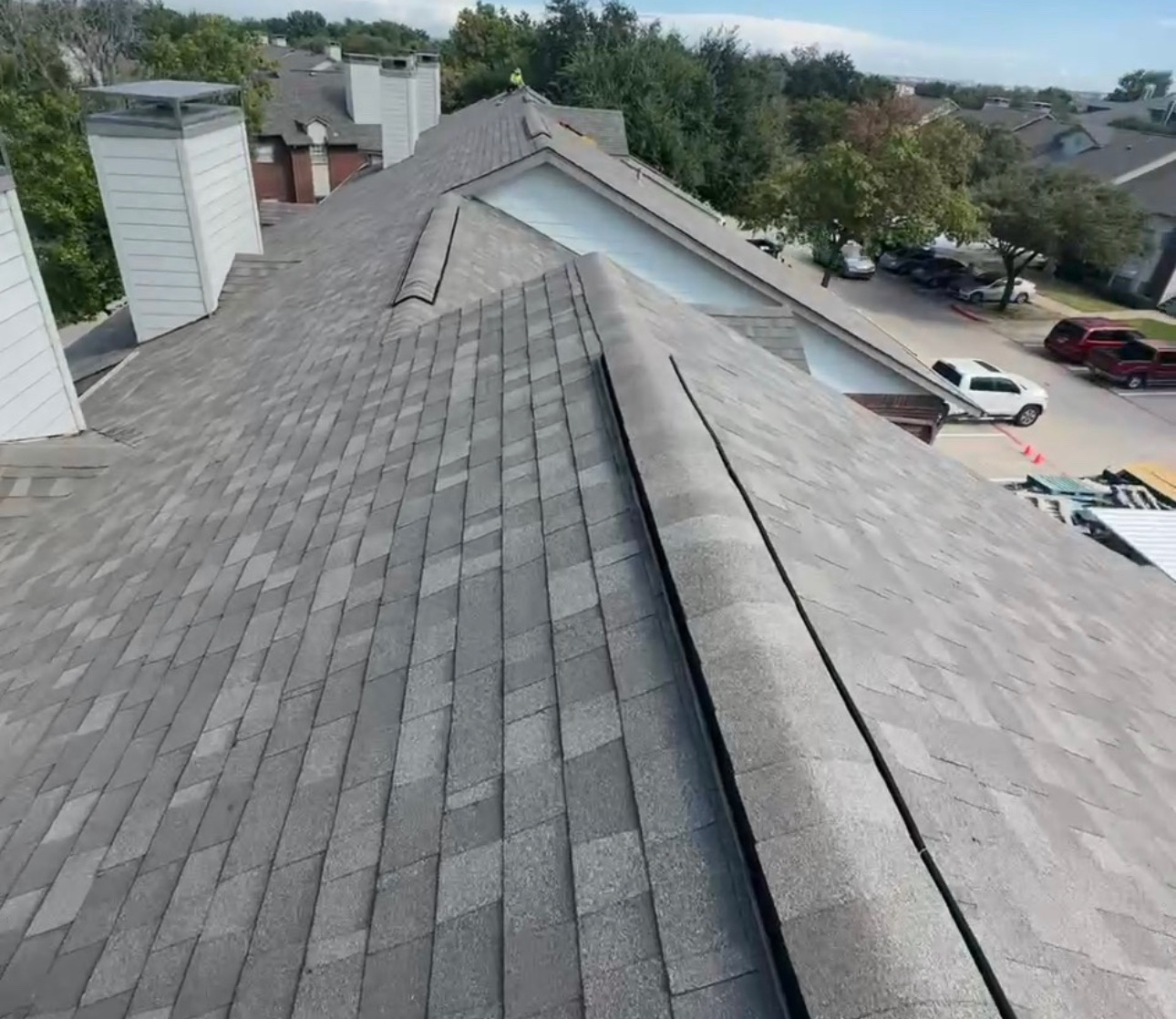
Recently completed shingle roofing installation on a Dallas residential apartment complex. Our team installed premium architectural shingles with proper ventilation systems, ensuring long-lasting protection and energy efficiency for multi-unit residential properties.
Frequently Asked Questions About Shingle Roofing in Dallas
How long do asphalt shingles last in Dallas?
Architectural shingles typically last 25-30 years if they're installed correctly with proper ventilation. 3-tab shingles usually make it 15-20 years. Dallas heat speeds up the aging process, so that ventilation component really makes the difference between a roof reaching its expected lifespan versus failing early.
Do I need impact-resistant shingles in Dallas?
Highly recommended. Dallas gets multiple hail events every year, and Class 4 impact-resistant shingles provide insurance discounts of 15-35%.[2] Regular shingles tend to crack after hail exposure. Class 4 shingles are designed to withstand repeated impacts without failing.
What shingle color is best for Dallas heat?
Light colors or cool-pigmented shingles reflect more sunlight and can reduce your cooling costs by 10-15% according to Department of Energy research.[3] White roofs reflect 60-90% of sunlight. Cool-colored dark shingles still manage to reflect 30-60% using special infrared-reflective pigments, so you don't have to sacrifice aesthetics for performance.
How soon can a roofing contractor start my Dallas project?
Most insured contractors can schedule inspections within 2-3 days under normal circumstances. Installation typically takes 1-3 days for average-sized homes. After major storms, wait times increase significantly because everyone needs repairs at the same time. Calling early gets you on the schedule faster.
Can I install new shingles over my existing Dallas roof?
City of Dallas Building Code allows one layer of shingles over existing roofing, but complete tear-off is generally recommended for best performance. Adding new shingles over old ones without removing damaged decking just hides problems. It also reduces your new roof's lifespan because you're stacking weight and trapping any moisture or damage underneath.
What warranty comes with shingle roofing in Dallas?
Manufacturers typically offer 25-year to lifetime material warranties depending on the product line. Contractors provide 1-10 year workmanship coverage. As a GAF certified contractor, we can offer up to 20-year warranties on their certified installations, which covers both the materials and the labor.
Protect Your Investment with GAF Warranties
As a GAF certified contractor, we offer Golden Pledge and System Plus warranties that cover both materials and workmanship for up to 25 years. Learn how these industry-leading warranties protect your shingle roof investment.
Explore GAF Warranty Options →Ready for Professional Shingle Roofing?
Whether you need residential or commercial shingle roofing installation in Dallas, Under One Roof delivers quality workmanship and reliable protection. Contact us today for a comprehensive consultation and free estimate.
Shingle Roofing Throughout Dallas-Fort Worth
We provide shingle roofing services across the DFW metroplex:
Related Services
Explore our comprehensive range of home improvement services
Residential Roofing
Complete home roofing solutions
Learn MoreCommercial Roofing
Business & industrial roofing
Learn MoreEmergency Repairs
24/7 storm damage response
Learn MoreRoof Inspections
Free professional inspections
Learn MoreMulti-Unit Residential
Apartments & condos
Learn MoreHail Damage Assessment
Insurance claim assistance
Learn More